You can make almost any destination work on a budget—even at typically luxurious places like the Maldives or Dubai.
By paying close attention to lodging and flights, and knowing a thing or two about ground transportation, travelers with any budget can shave high costs off their trips.
That being said, there are certain destinations where you don’t want to penny pinch. You’ll miss out on too many iconic experiences and miss out on cutting to the core of the city. Here’s the catch: Knowing which destinations you shouldn’t do on a budget isn’t necessarily about reputation or luxury offerings.
It’s about drier topics like geography and currency.
Hawaii, for example, isn’t expensive because it’s overwhelmingly luxurious. While there are seven-star properties hiding around Oahu and Kauai, most travelers visit on a mid-range package. Those high costs Hawaii is known for are thanks to its highly remote nature. Because the islands rely on imports that come from thousands of miles away, even small products like gum and paint come at a higher price.
Here’s what you need to keep in mind about the most expensive destinations for Americans, based on factors that make even basic food shopping a pricey detour.
Top 10 most expensive destinations in the world for Americans
Australia
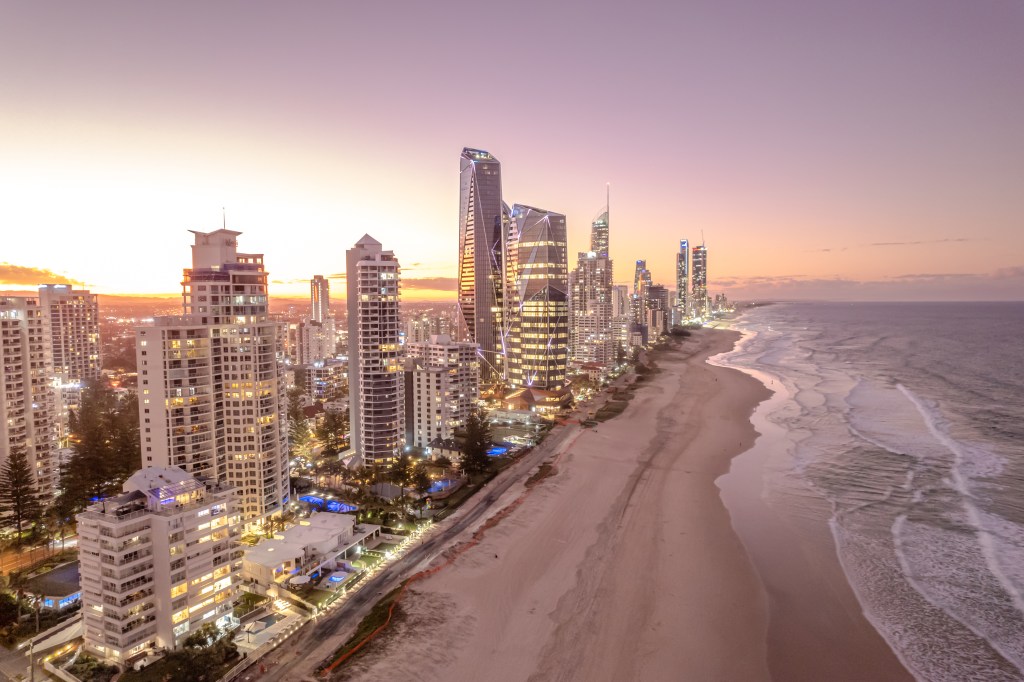
Three factors make Australia more expensive than you might think: high minimum pay rates, high cost of living prices, and its island geography. Minimum wage nationwide is around $20, driving up business costs that visitors will feel. Plus, its isolation as an island nation and its small population compared to its size make logistics more expensive.
- Biggest expenses: Flights, car rentals, and tours
- The silver lining: If you’re heading all the way Down Under, you can easily score affordable flights to other must-see destinations, from Bali to Fiji.
- $1 USD = 1.42 Australian Dollars
Barbados
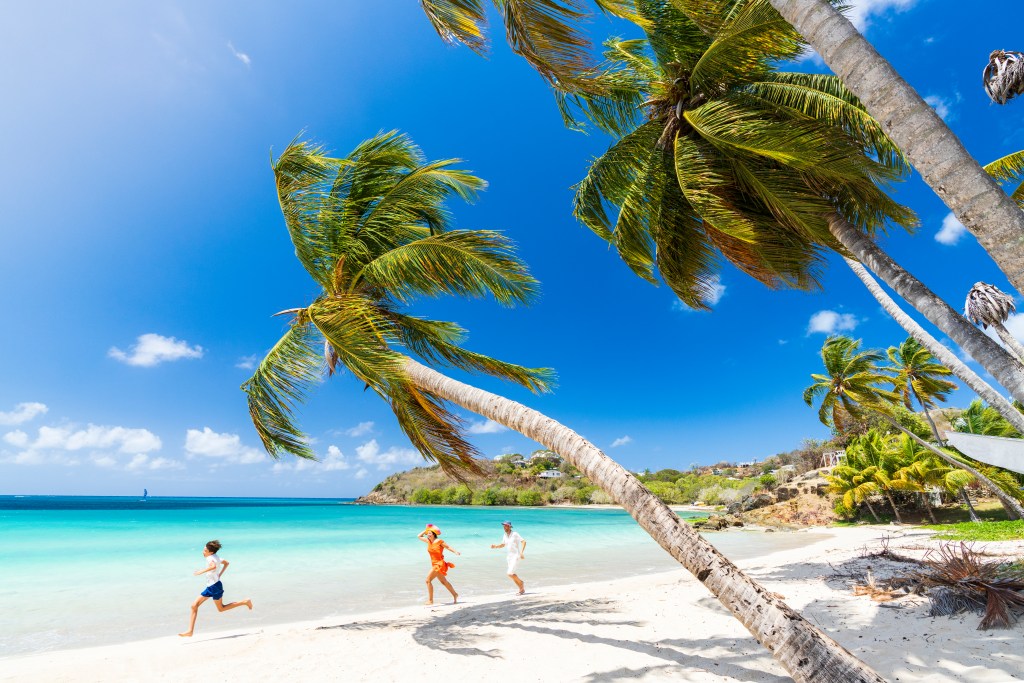
Like other Caribbean island nations below, Barbados has high costs thanks to its high standard of living and import economy. In other words, Barbados has a high-income economy that must contend with high shipping costs and has a high VAT or value-added tax rate.
- Biggest expenses: Flights, resort fees, and tours
- The silver lining: Budget hostels have started to pop up around the island, meaning you can skip out on those $1,000 per night private villas.
- $1 USD = 2.01 Barbadian Dollars
Bermuda
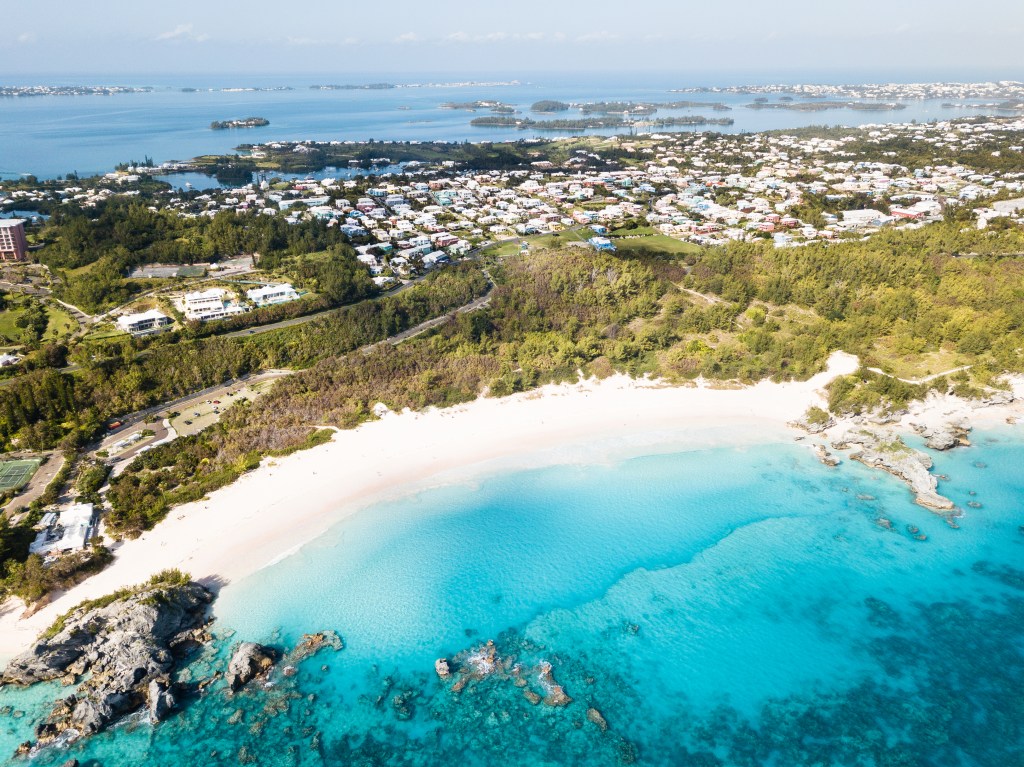
Bermuda is a tiny island, meaning 90% of its necessities are imported by plane or boat. On top of that, the government imposes a hefty import duty of 36%, meaning retail prices are sky-high compared to the United States.
- Biggest expenses: Lodging, car rentals, and dining
- The silver lining: There’s no big currency conversion between the US dollar and Bermudan dollar, making it easy to keep track of your spending. On top of that, its location close to the US means flights are exorbitantly priced.
- $1 USD = 1 Bermudan Dollar
Cayman Islands
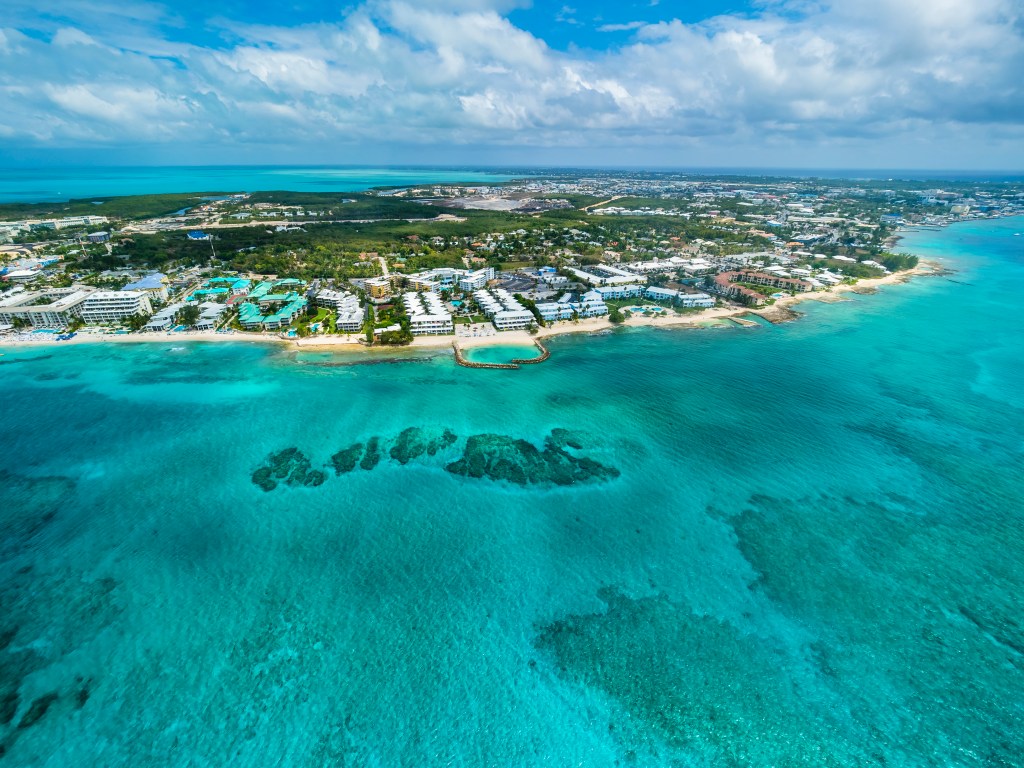
You might know the Cayman Islands as a British territory with pretty sweet tax breaks (as in, zero income tax) for the ultra-wealthy—and you wouldn’t be wrong. Thanks to the Cayman Islands’ status as a small island territory that must import the majority of its goods and the fact that many of its residents are affluent, tourism doesn’t come cheap.
- Biggest expenses: Lodging, dining, and experiences
- The silver lining: The US dollar is worth more than the Cayman Islands dollar, giving you preferential conversions. Similar to Barbados, there are also budget accommodations popping up, letting you book an economic hostel stay.
- $1 USD = .83 Cayman Islands Dollar
Iceland

Like Australia, Iceland’s high minimum wage incurs costs for businesses that often impact pricing. And, like Barbados, it’s got a hefty VAT rate of 24%, which makes goods and services even pricier. It’s also yet another island nation that must import the majority of its retail goods.
- Biggest expenses: Flights, tours, and dining
- The silver lining: Iceland’s natural wonders stand apart from other places around the world, meaning a visit is worth the price if you like a bit of rugged adventure.
- $1 USD = 123 Iceland Króna
Ireland

If you’ve traveled around Europe, you already know: Ireland is one of its priciest tourist destinations. That’s thanks to its high VAT rate, high duties on fuel and alcohol, and shortage of accommodations. Its tourism industry is also dominated by a few business giants, leaving less of its profits to ‘trickle down’.
- Biggest expenses: Flights, lodging, and transportation
- The silver lining: Despite its notoriously high costs compared to other European destinations, pretty much everyone leaves Ireland happy. In other words, Americans are guaranteed a good craic when they visit.
- $1 USD = .86 euros
Monaco
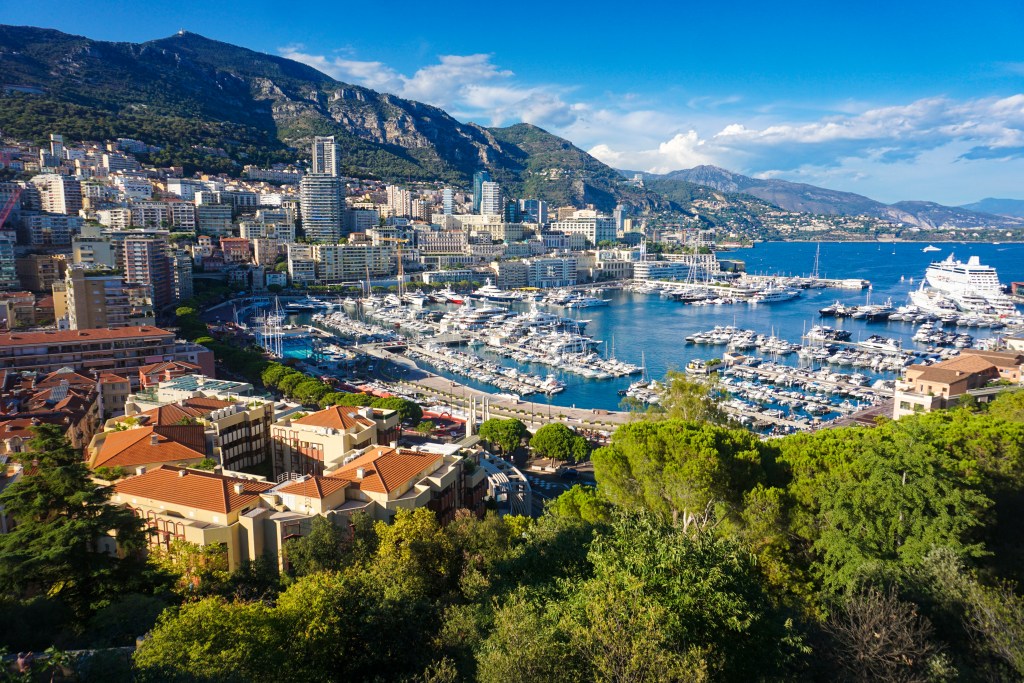
Monaco is one of the most expensive destinations out there because it’s tiny, creating scarcity. (It’s less than one square mile). It’s also home to affluent individuals and businesses (it’s a tax haven, like the Caymans). In short, it’s a luxury destination thanks to its ultra-wealthy demographic and their tastes—it’s even got a ruling royal family, the House of Grimaldi.
- Biggest expenses: Flights, lodging, dining, and transportation
- The silver lining: You can easily stay in France, then day-trip to Monaco. That way, you’re avoiding some of its highest prices.
- $1 USD = .86 euros
New Zealand
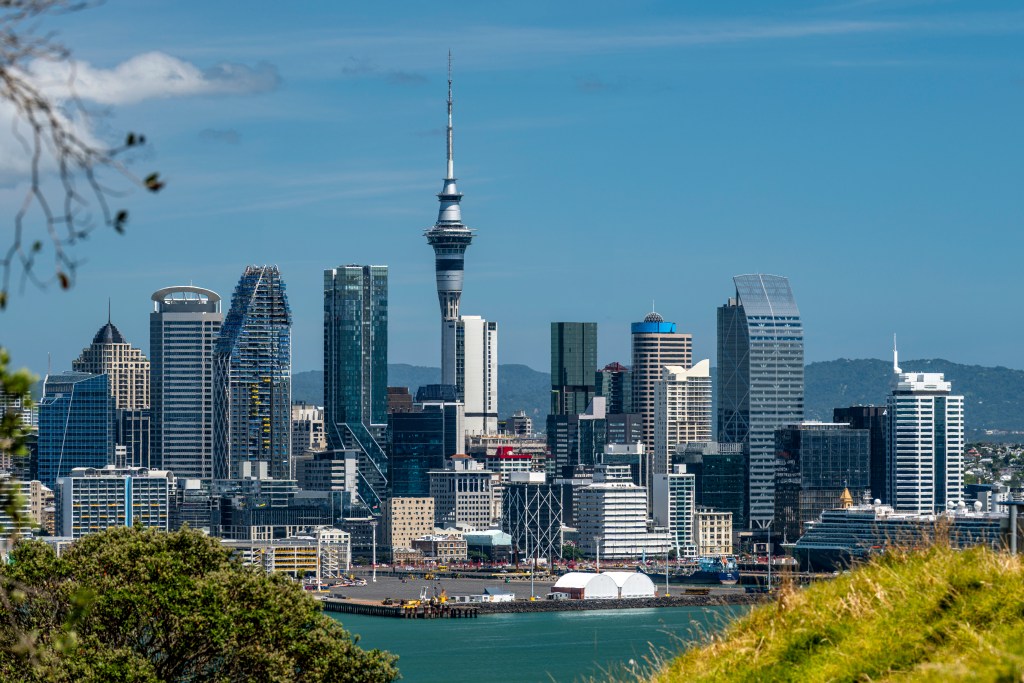
Like Australia, New Zealand is an expensive destination for Americans because of its import reliance, small population, and high taxes. Plus, you’ll also need a car to get around in many areas, driving up expenses for car rentals and fuel.
- Biggest expenses: Flights, lodging, and tours
- The silver lining: Many attractions are free, meaning you won’t be overspending to experience some of New Zealand’s coolest sites.
- $1 USD = 1.72 New Zealand dollars
Singapore
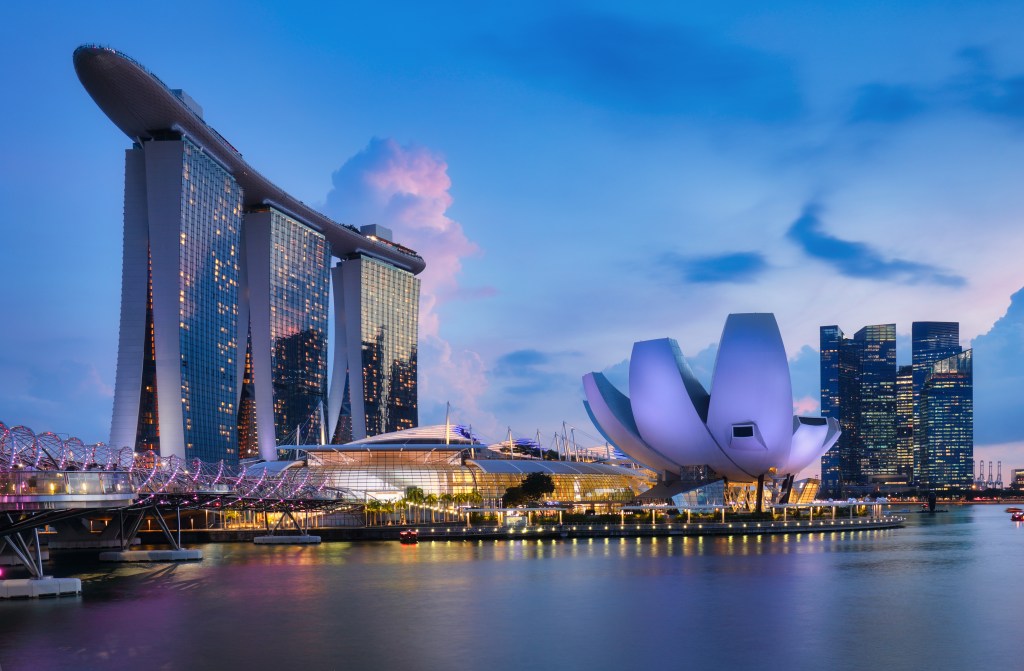
Like Monaco, Singapore’s small size (around 287 square miles) has driven up prices by creating a need for constant imports. On top of that, it has a strong economy and a strong currency. In short, there’s a high standard of living, which is partly paid for by high taxation.
- Biggest expenses: Flights, lodging, and tours
- The silver lining: You can eat like royalty at Singapore’s many cafeterias without overpaying, giving you access to a foodie’s paradise.
- $1 USD = 1.28 Singapore dollars
Switzerland

Thanks to its powerhouse economy, the Swiss franc is one of the world’s most powerful currencies, making it one of the most expensive destinations in the world. On top of that, Switzerland has some of the globe’s highest minimum wages, which also drives up labor and business costs that are passed on to visitors.
- Biggest expenses: Flights, lodging, and dining
- The silver lining: Public transportation is highly accessible and isn’t overpriced, letting you zip around the country without spending too much—even if you want to venture off-track in provinces like Graubünden.
- $1 USD = .79 Swiss francs