In November 2020, plans were announced for a massive airline merger in South Korea, as Korean Air announced plans to acquire Asiana Airlines. That deal finally closed in December 2024, and obviously has major implications for aviation in the region.
However, in the nearly 18 months since the merger, the two airlines have continued to largely operate independently, for all practical purposes. We’ve known that wouldn’t be the case forever, and we now have details about the timeline.
Asiana brand will disappear on December 17, 2026
Korean Air and Asiana plan to integrate their operations as of December 17, 2026, nearly six years after the acquisition was first announced. So while details are now being worked out as to exactly how this will work, you can expect that all Asiana flights will receive Korean Air branding, and therefore, Asiana will no longer be part of Star Alliance, or have its own loyalty program (so it’ll join SkyTeam, and belong to Korean Air SkyPass).
Of course the branding will change across the board to match Korean Air (from aircraft liveries, to check-in counters), and the formerly separate airlines will also coordinate their scheduling, centralize fleet planning, etc.
This has been one of the most complicated and drawn out airline mergers that we’ve ever seen, in terms of the amount of regulatory scrutiny the deal has received. That’s understandable, I suppose, given that going from two major international carriers in a country to just one has major implications for consumers.
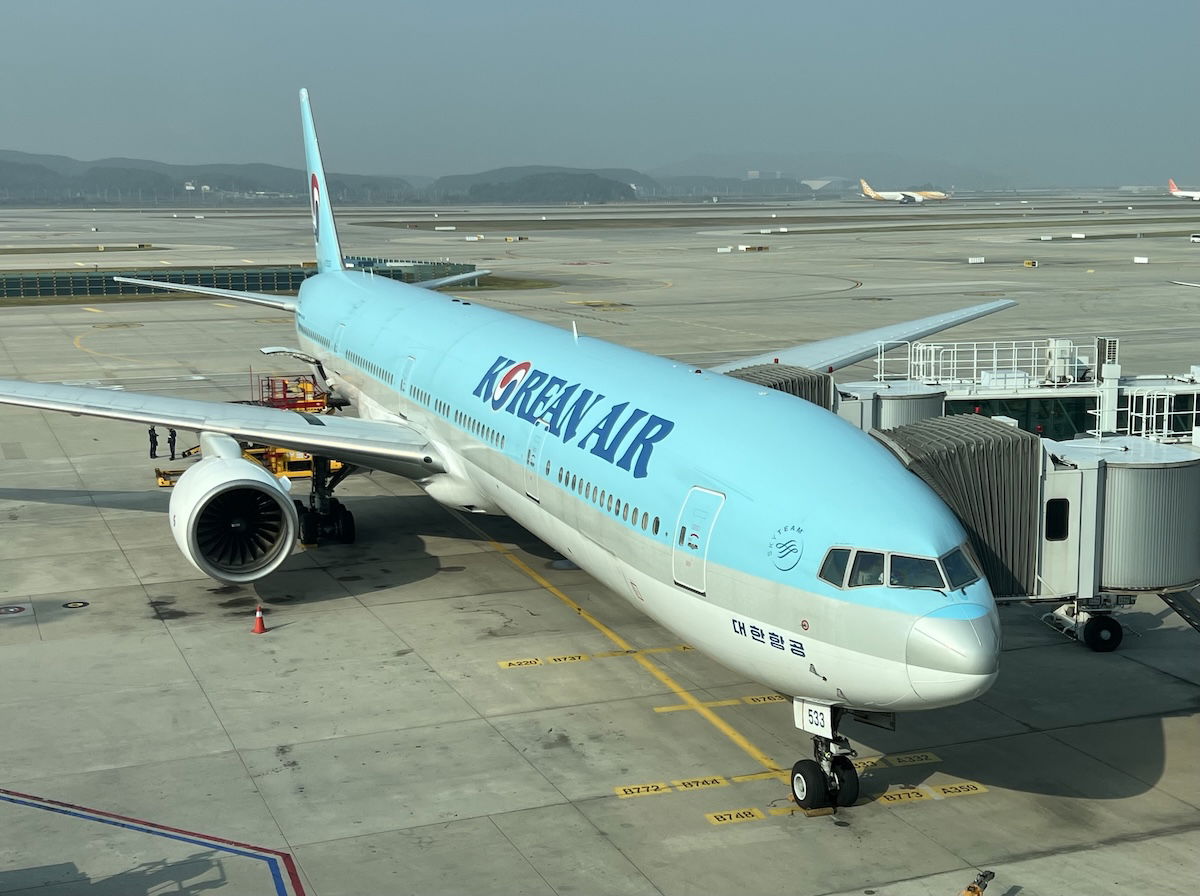
I’m curious to see how the integration plays out
This merger has been a massive headache, in terms of how long it has taken, plus the complexity. For the most part, the implications are obvious. If you liked the Asiana brand and its participation in Star Alliance, you probably won’t be happy. If you prefer the Korean Air brand and its participation in SkyTeam, you’ll probably be happy.
Competitively, the biggest implications are for the South Korea market, and the country going from two flag carriers to one. In fairness, lots of concessions had to be made, and we are seeing increased competition from other airlines in the country, like T’way Air (soon to be known as Trinity Airways).
Interestingly, Asiana didn’t have much in the way of joint ventures with foreign airlines, so it always felt a bit like a second class Star Alliance member, along with carriers like LOT Polish Airlines.
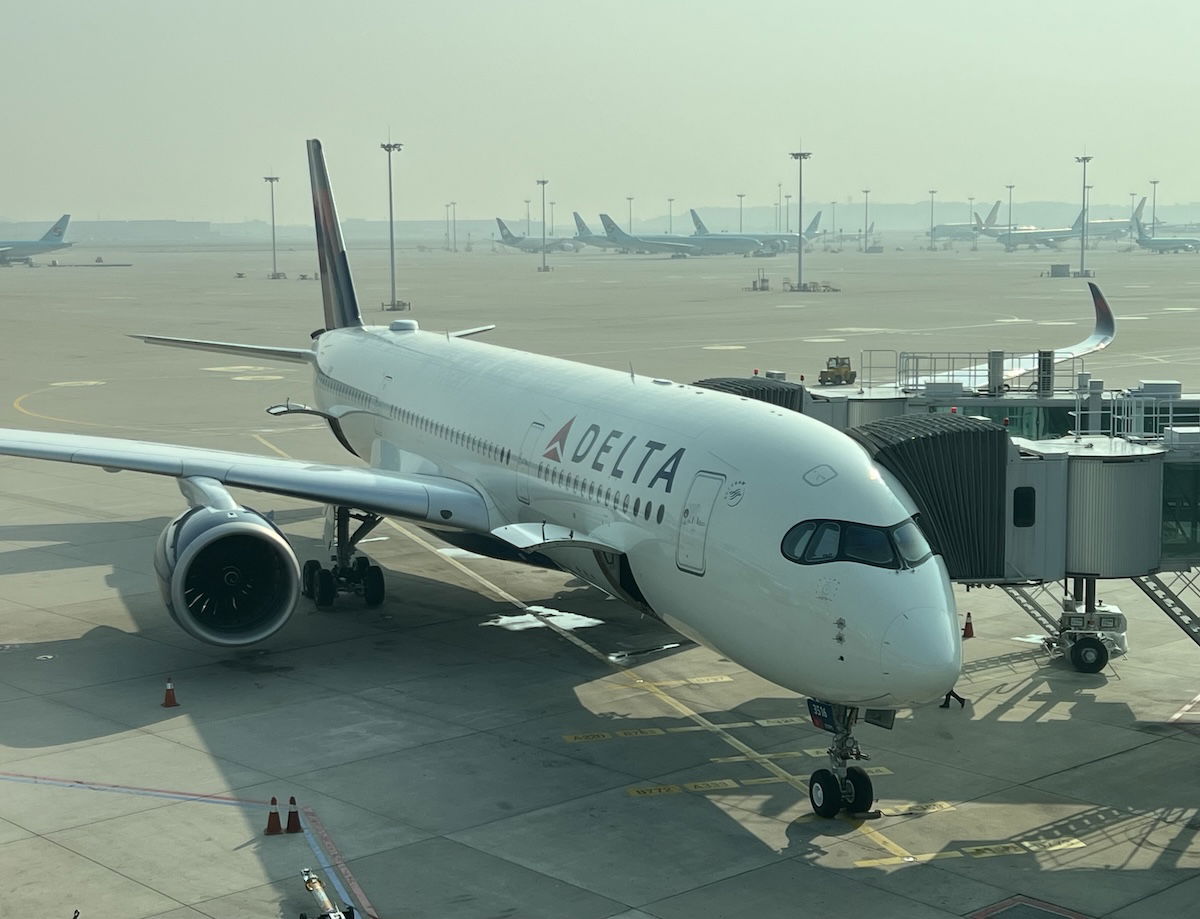
Meanwhile — not to sound like a certain someone — but the most positive implications here are probably for Delta. Korean Air’s biggest joint venture is with Delta, and former Asiana flights will soon operate as part of the Delta and Korean Air joint venture, expanding the joint venture’s market share across the Pacific.
With a joint venture, airlines can coordinate fares and schedules, and share revenue. Now, the only thing I’d note is that at some point the joint venture gets pretty unexciting, since some people actually want to fly nonstop to their destination in Asia, rather than having everything route through Seoul Incheon (ICN).
To Delta’s credit, the airline is working on expanding its transpacific network, with new routes to destinations like Hong Kong (HKG), and eventually Manila (MNL) and Singapore (SIN), maybe. The airline still has a ways to go before it can compete with United in terms of the breadth of its Asia network (note that I’m not talking about RASM, or about the A350-1000).
Bottom line
The branding integration between Asiana Airlines and Korean Air is expected to happen as of December 17, 2026, so that’s the date as of which the Asiana brand will cease to exist, the airline will leave Star Alliance, etc. This sure has been drawn out, as that’s around six years after the merger was first announced. Some of the exact details still need to be ironed out, so we should learn more in the coming months.
What do you make of Asiana finally being integrated into Korean Air?