Protecting flight attendants from abusive passengers is not only about employee welfare. It is also about safety. Inside an aircraft, safety rules are not suggestions. Flight crew members follow strict procedures to protect everyone on board, and cabin crew are given the authority to enforce those procedures inside the cabin.
Some passengers still treat airline rules as personal inconvenience rather than safety requirements. When they are told to follow an instruction, some take it as an insult. A simple reminder to fasten a seatbelt, keep a tray table stowed, or place a seat upright can suddenly turn into a complaint, a confrontation, or worse, a social media post targeting the crew member.
Social media can make safety enforcement harder
The problem today is that smartphones make it easy for passengers to secretly take photos or videos of flight attendants and post them online. Not all crew members want public attention. Many simply want to do their job, serve passengers, and enforce safety rules when needed.
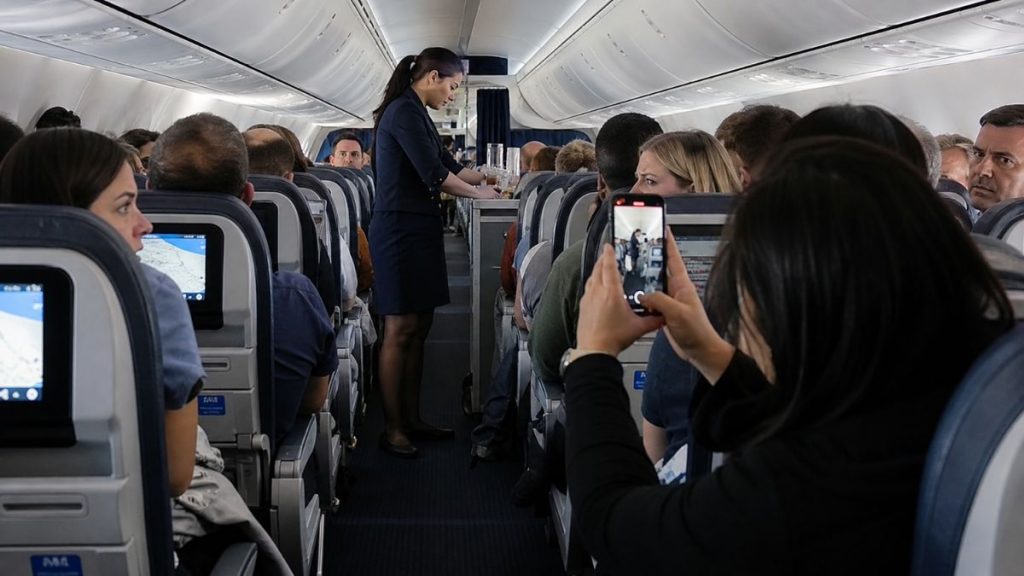
A passenger can post a one-sided story that sounds convincing, even if it leaves out important details. For example, during takeoff, a flight attendant may ask a passenger to put the seat upright because it is required for safety. The passenger refuses at first, later complies, but feels embarrassed. After the flight, that passenger posts the crew member’s photo and claims she was rude for not allowing him to sleep.
The public may then judge the crew member without knowing that she was only enforcing a required safety procedure. She can be bashed, humiliated, and made viral before she even gets the chance to explain.
That kind of experience can affect how crew members perform their duties. If a flight attendant feels that the airline will not defend her or hold abusive passengers accountable, she may hesitate the next time she needs to firmly enforce a safety rule. That hesitation can become a real safety concern.
When an emergency happens, airlines and crew may be held responsible if mandated safety procedures were not enforced. Yet how can cabin crew enforce these rules confidently if they fear being filmed, posted, and attacked online whenever a passenger feels offended?
Airlines need fair complaint systems and stronger policies
Airlines should implement stricter policies against filming or taking photos of flight attendants and ground crew without consent. This should be clearly stated in the conditions of carriage, which passengers agree to when buying a ticket. Airlines should also remind passengers through airport signs, check-in counters, boarding gates, and public address announcements.
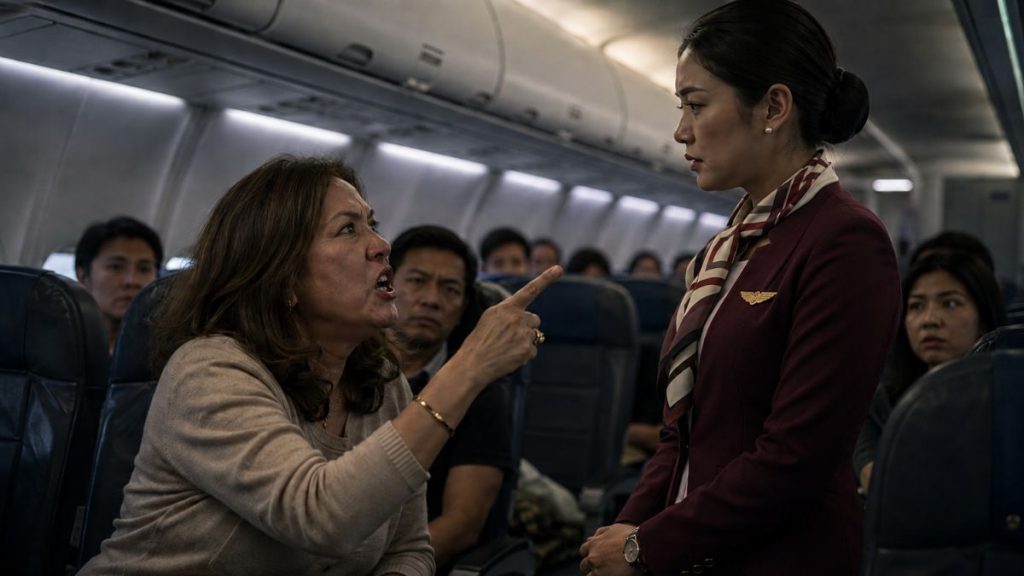
Cebu Pacific has already started reminding passengers that filming crew members without consent is prohibited. I hope more local airlines follow. Passengers should understand that while airlines value customers, they should never tolerate abuse toward employees.
At the same time, airlines must also give passengers a proper place to raise concerns. A strong customer service system handled by real people can help prevent passengers from going straight to social media. Complaints should be acknowledged, investigated, and resolved fairly. Both sides must be heard, especially when the issue involves a crew member enforcing a safety rule.
In aviation, “the customer comes first” should never mean “the customer is always right.” When safety is involved, the customer is not always right. Crew members can make mistakes too, and that is why a fair complaint process matters. But there should be no room for harassment, public shaming, or unauthorized posting of crew members online.
Protecting cabin crew and ground crew from abusive passenger behavior helps them do their jobs with confidence. When they can enforce safety rules without fear, passengers are better protected too.