Several weeks ago, we learned about how the Federal Aviation Administration (FAA) planned to force flight cuts at Chicago O’Hare Airport (ORD), given the extent to which airlines are trying to grow there, and the impact that will have on congestion.
There’s now a major update, as the FAA has finalized just how many flights will have to be cut. This is going to have some major impacts on the battle we’re currently seeing at Chicago O’Hare Airport (ORD), between American and United….
Chicago O’Hare flights will be reduced by 12% this summer
Recently, we’ve seen both American and United add a lot of capacity in Chicago, and this is part of a battle between the two companies. Both airlines have a hub in Chicago, but United has taken the lead (by far) in recent years, and now American is trying to regain some market share. So in reality, we’re just seeing a lot of capacity dumping in Chicago over the coming months (and a lot of smack talk!).
In light of all of this, the Federal Aviation Administration (FAA) has just finalized an order to force schedule reductions at Chicago O’Hare, which will apply for much of the the IATA summer 2026 season (which goes from late March until late October).
To what extent should we expect flight cuts? Going back a couple of months, there were 3,080 planned peak day operations at the airport in summer, compared to 2,680 peak day operations during the same period in 2025. The FAA believes that this “increase is significant and would stress the runway, terminal, and air traffic control systems at the airport.”
So the FAA has now finalized an order, which will go into effect for flights between May 17 and October 24, 2026. With this, we’ll see 2,708 daily peak day operations be the cap for the airport. That represents a roughly 12% capacity reduction compared to what was initially planned, so expect lots of flights to be cut, primarily impacting American and United.
Operations will be allocated to air carriers in proportion based on their share of operations from last summer. Even last summer didn’t go smoothly at the airport, with a massive number of delays.
The idea is that the FAA will issue limitations to airlines in 30-minute increments. These half-hour limitations will range from 30 operations per half-hour during low demand periods, to 84 operations per half-hour at peak periods. Why the inconsistency? ATC staffing requirements and runway configuration changes require there to be certain “valleys,” for a period to safely transition throughout a day.
With the current price of jet fuel, I can’t help but wonder if airlines may have been forced to cut some capacity on their own, but I guess this settles it…
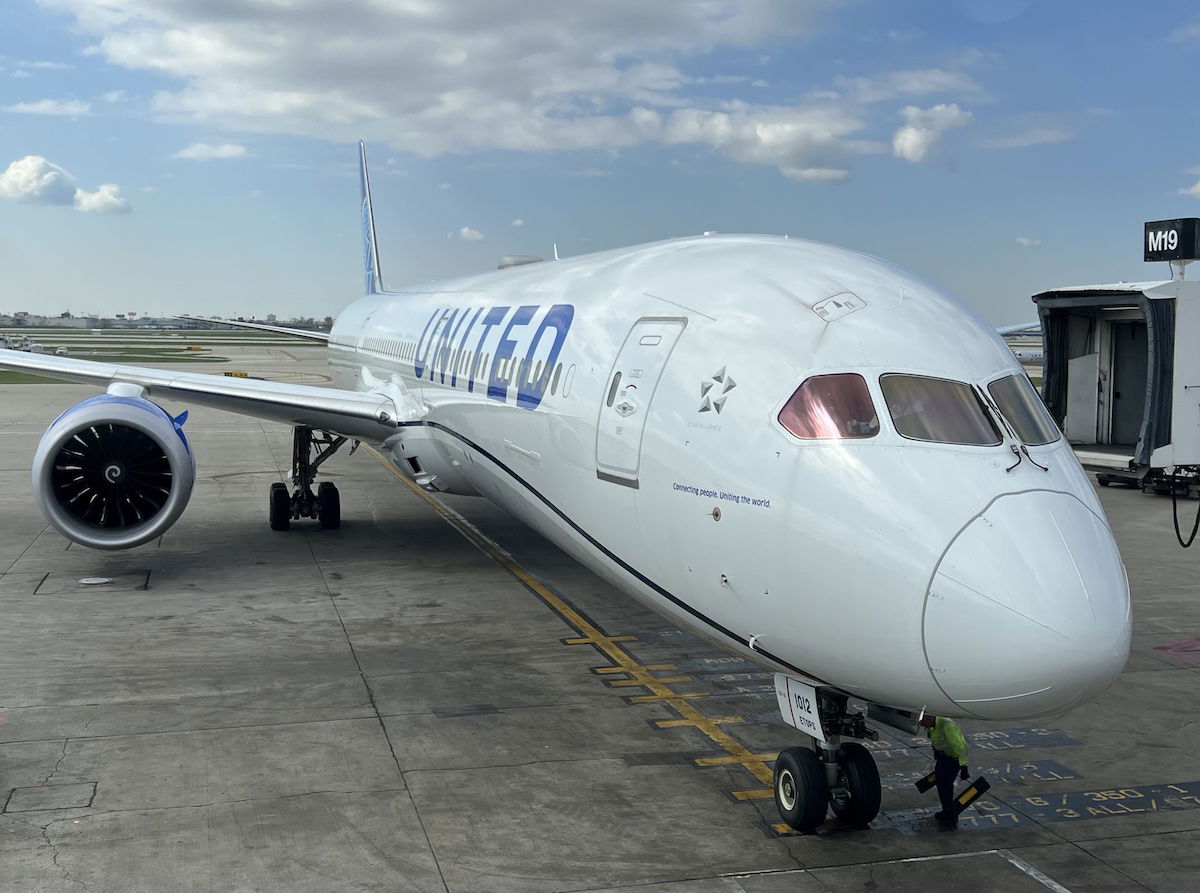
Is this good news for American and/or United?
The whole reason that American and United are now battling so fiercely in Chicago is because of the airport’s gate allocation process. Airlines are allocated gates in the future based on historical usage, so both airlines have been trying to flood the market, so that they don’t lose market share to the other airline.
In theory, this battle between the two airlines is good for consumers, in terms of added capacity leading to lower fares. However, what would’ve been significantly less pleasant is the impact to on-time performance at the airport. Chicago O’Hare can be a bit of a mess on a good day (especially in terms of taxiway congestion), and with such an increase in service, it was going to get bad.
So, is this update good or bad news for American and United? I suppose it depends how you look at it. In some ways, it’s good for both American and United, since odds are that this incremental flying was going to be extremely unprofitable, so it’s helpful that they’re being forced to decrease service.
Now, if airlines could fly their full, planned Chicago schedules, I think it would’ve been worse for American than United. While both airlines would’ve likely lost money on this flying, American is in a much worse position, and it would’ve made a weak competitor even weaker.
I suppose with route cuts being proportionate to 2025 flying, this basically leaves both airlines in the same position they were in before this whole battle started, meaning neither airlines is growing market share relative to their competitor.
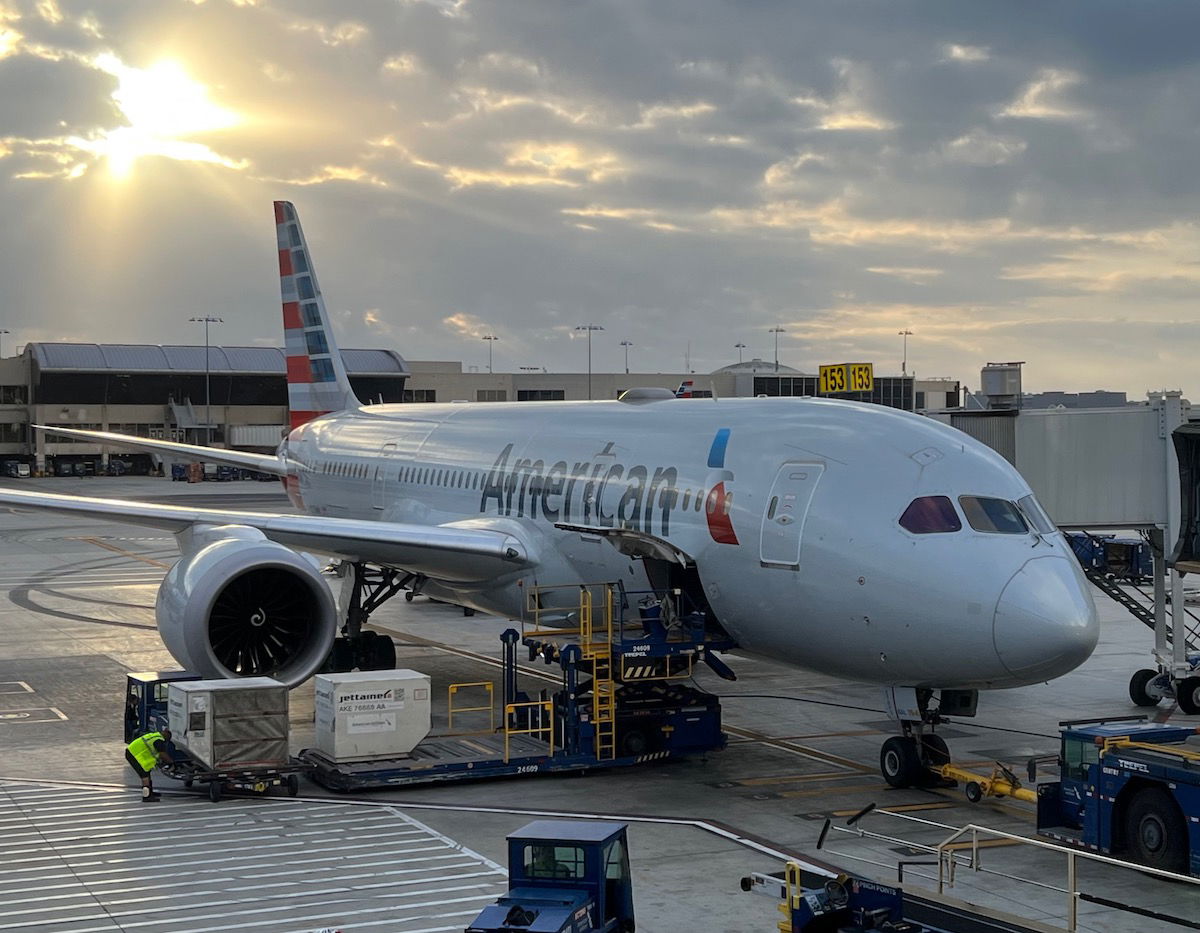
Bottom line
The FAA has finalized its plans to restrict flights at Chicago O’Hare Airport over the coming summer months, given the amount of capacity that we’ve seen added in recent times, by both American and United. While the airport was initially supposed to see 3,080 daily peak day departures, that cap has been lowered by 12%, to 2,708 daily peak day departures.
Given the gate allocation process in Chicago, this leaves the competitive dynamics in Chicago pretty unchanged.
What do you make of the FAA’s decision to cut flights in Chicago?