Have you ever heard of São Tomé and Príncipe?
If not, you aren’t alone. São Tomé and Príncipe are two tiny island neighbors, located around 90 miles apart, right on the Equator. They’re located just under two hundred miles from Africa’s mainland, near Gabon.
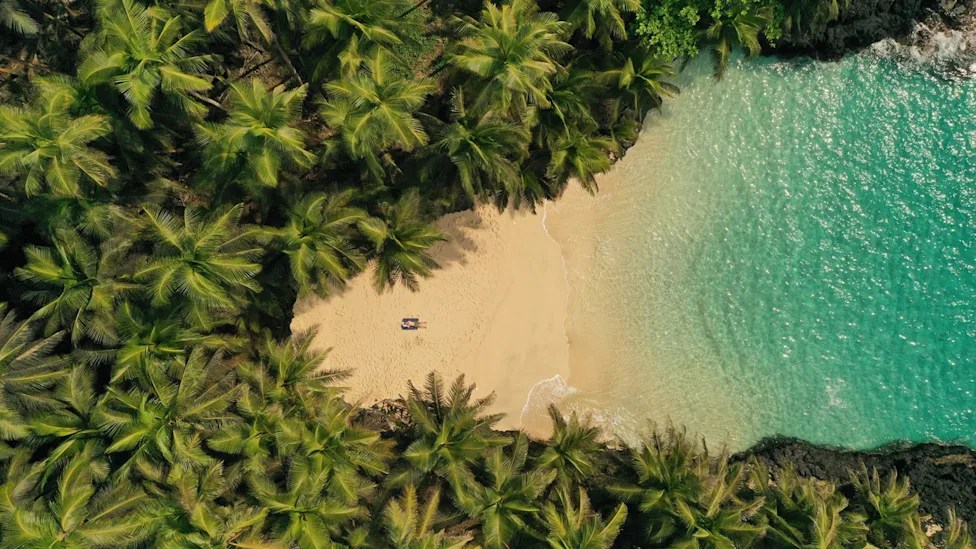
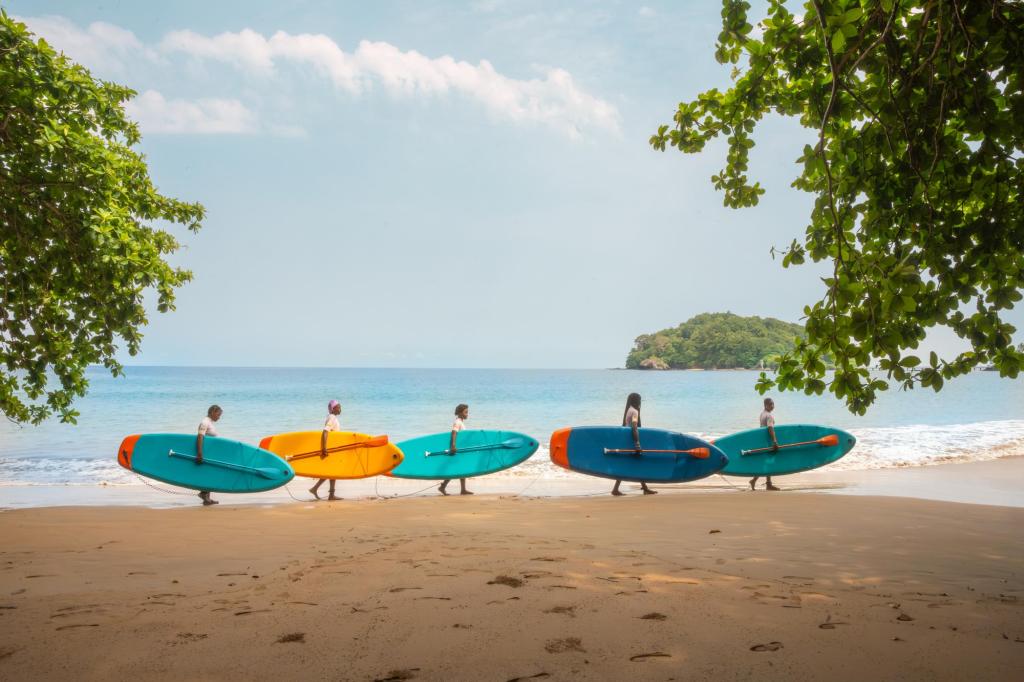
They’re lush islands covered in tropical forests and home to mind-bogglingly lovely beaches. Formed by volcanic formations, they mirror the type of rugged beauty found in the Seychelles—which is Africa’s other low-population island nation.
Meet Sao Tomé and Príncipe
São Tomé and Príncipe were uninhabited until Portuguese sailors arrived in 1470. Shortly after, the island was colonized and used for cash crop cultivation, including coffee, cocoa, and sugar cane. The islands became one of the first places where enslaved Africans were taken and forced into labor.
For centuries, the island remained under Portuguese control. However, civil uprisings throughout the 1800s and 1900s eventually culminated in an independence movement in 1975. Since then, São Tomé and Príncipe has been a sovereign nation—and it’s still considered one of Africa’s most stable democracies.
If you have the privilege of visiting, you’ll notice a confluence of African and European influences, especially when it comes to Portuguese music, food, and customs, including Christianity.
Until that day comes, feast your eyes on this photo series of São Tomé and Príncipe from Swedish photographer Christoffer Åhlén for National Geographic Traveller (UK). I’ve included two photos via AOL, but you can explore the rest of the project on the Nat Geo link.