Among the “big three” US carriers, American has really been struggling in recent years, in terms of profitability. It used to be that Delta was by far the most profitable, and that American and United were in the same league.
Now United has pulled ahead (though it’s still well behind Delta in terms of profitability), but it has left American in the dust. It basically seems that all of United’s gains have come at American’s expense. For years, American pursued a failed strategy whereby it was overly focused on costs, only to backtrack as of early 2025, and once again focus on being premium.
The issue is, American CEO Robert Isom hasn’t laid out a cohesive plan for actually turning things around. His narrative all along has been along the lines of “oh, everything is fine, this is just a blip, things will improve.” So that brings us to an interesting update…
Robert Isom’s plan: premium, premium, premium
The brilliant Leslie Josephs from CNBC has a story sharing Isom’s vision for turning around American, and closing the profitability gap, which in 2025, was about $3 billion with United, and $5 billion with Delta. American is by far the world’s largest airline in terms of the number of daily flights operated.
Let me just cut to the chase here. I think Isom’s vision shared here is more than we’ve seen in the past, but not enough. Let me hit on some of the highlights, as I see them:
- Isom wants American and its employees “to be the best at everything that we do,” and the “long-range plan is certainly making up the margin gap” with competitors, but there’s no timeline for accomplishing that
- Isom views American as “a premium global airline with the largest footprint in North America”
- American’s goal is to continue growing the loyalty program, improving the customer experience, expanding the network, and increasing higher-end revenue
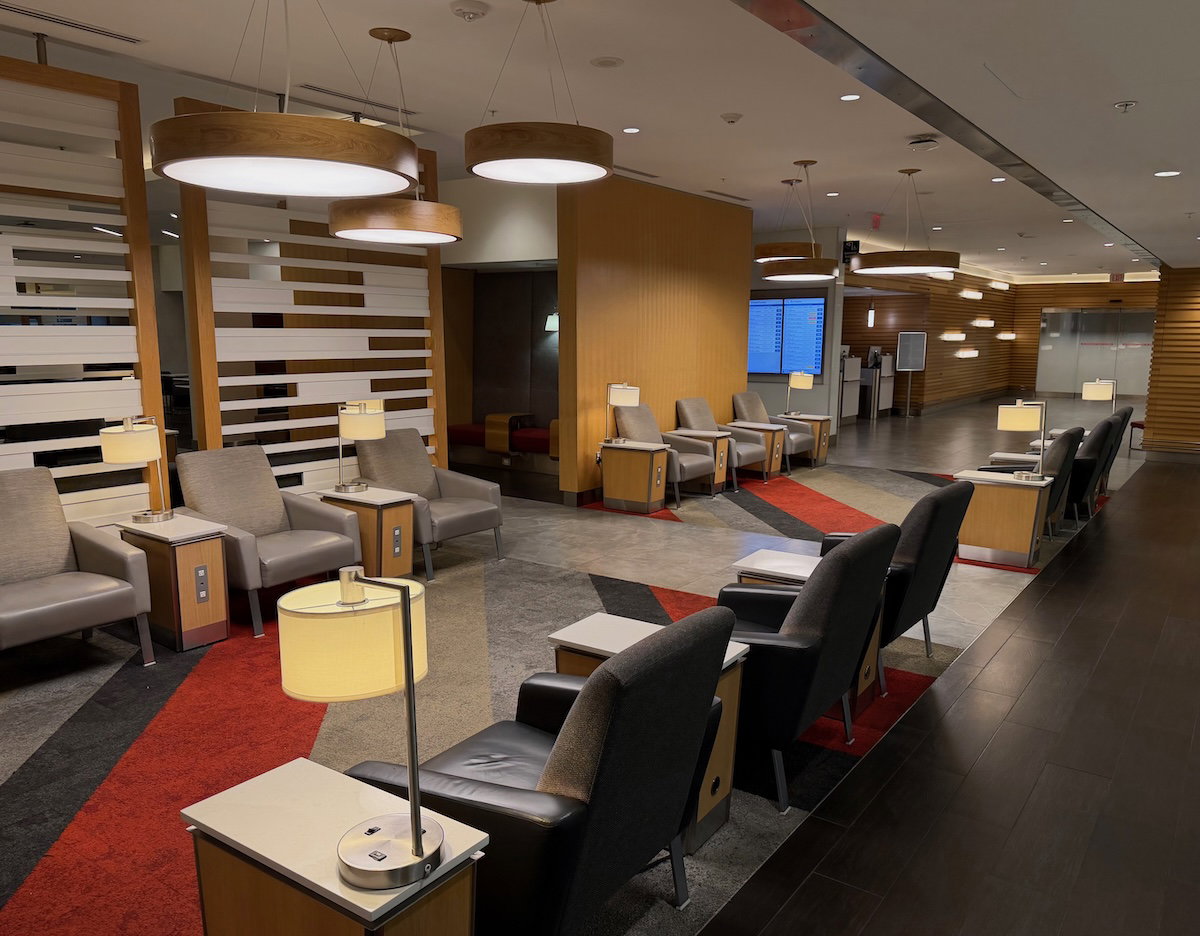
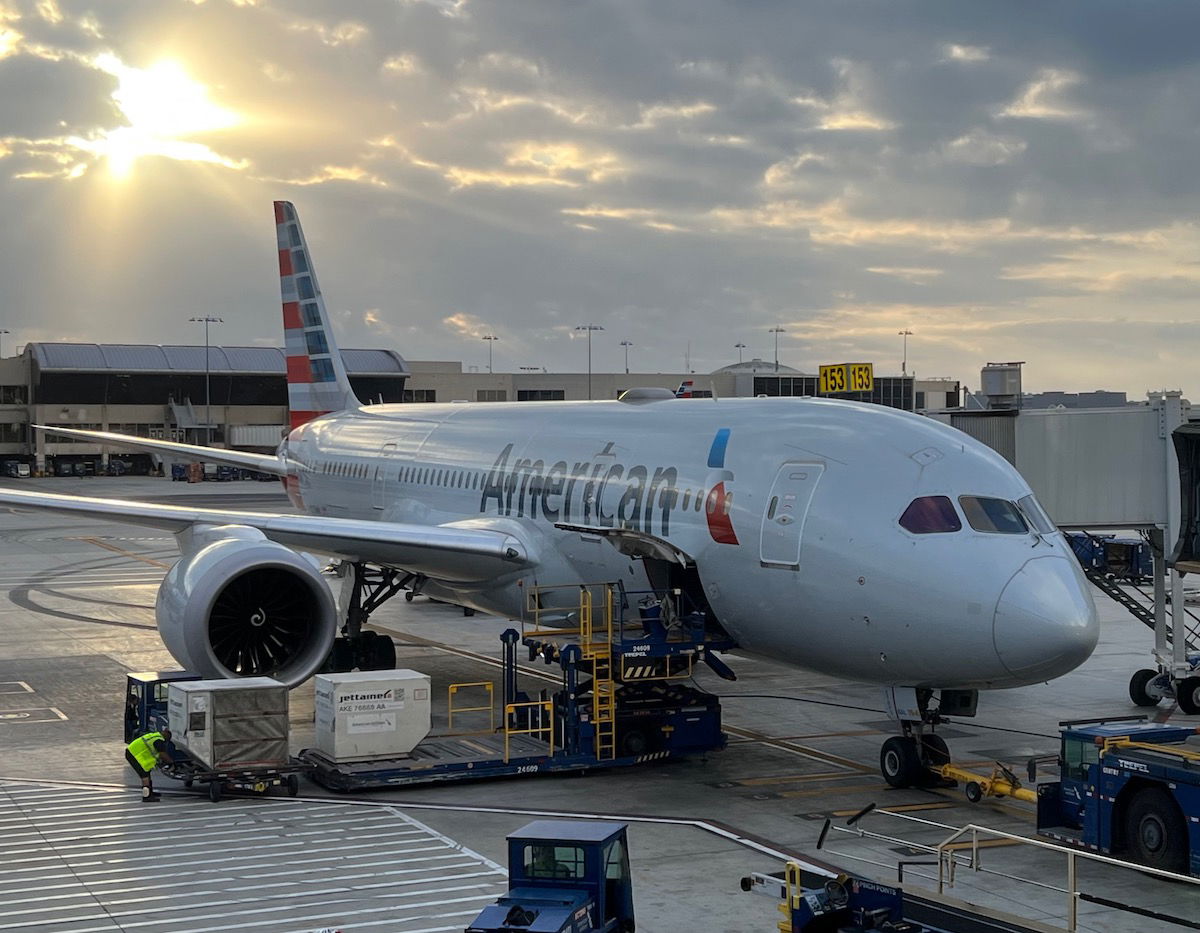
- In addition to initiatives that have already been announced, we’ve also learned that American plans to retrofit its Boeing 787-8 cabins, and to open a 37,000 square foot Admirals Club in Terminal C at Dallas, which will be the carrier’s biggest to date, plus a Provisions by Admirals Club in Terminal F at Dallas
- American’s commercial team is “working on technical changes that aim to offer customers more opportunities to buy pricier seats”
- American’s flying split right now is 80% domestic and 20% international, with Isom claiming the carrier’s network breadth is a major strong suit for the airline, and will continue to be
- 62-year-old Isom says he has “never been deterred, no matter what the challenges that we face,” and that he’s “clear-eyed about the challenges in this business”
- We know American is planning a new wide body aircraft order, and it remains to be seen what that entails, but it’ll play a major role in how American evolves
The key things that are missing from Isom’s turnaround plan
I have to say, this overall plan at least seems more cohesive than what we’ve seen in the past from American. But perhaps credit to that goes to Josephs for her story, and how she lays it out, rather than how American management lays it out.
While there are a few new revelations here, there’s nothing that’s earth shattering. Essentially the idea is to just keep investing in the passenger experience, and becoming more premium. Is that enough, though, when competitors are doing the same?
The thing is, as much as us consumers like when airlines invest in the passenger experience, it’s not like that’s a solution to everything, and a guarantee to be more profitable. That’s especially true when competitors have such a big head start, and are doing the same. Maybe it helps with stopping the loss of premium customers, but it’s unlikely to lead to a big gain in customers.
What’s most telling to me is what isn’t mentioned once in Isom’s vision, which is to turn around the culture of the airline. To me that’s the single biggest issue American has, which is that there are so many frontline employees who are just demoralized and indifferent.
I’ve said it before, and I’ll say it again — American can’t have a successful turnaround without a culture change, and Isom has lost the respect of employees, and simply isn’t able to execute that. I’ll also repeat this — I don’t recall an airline ever having a culture change among employees without a change in management. Seriously, can anyone give me an example? Every time I’ve put that question out there, no one has been able to answer. That leaves us with one of two conclusions:
- American doesn’t need a culture change
- Isom will be the first guy in the history of the airline industry to create a culture change as an existing CEO of an airline, while objectively not having the respect of frontline employees (that’s not my opinion, that’s what employees are putting out there)
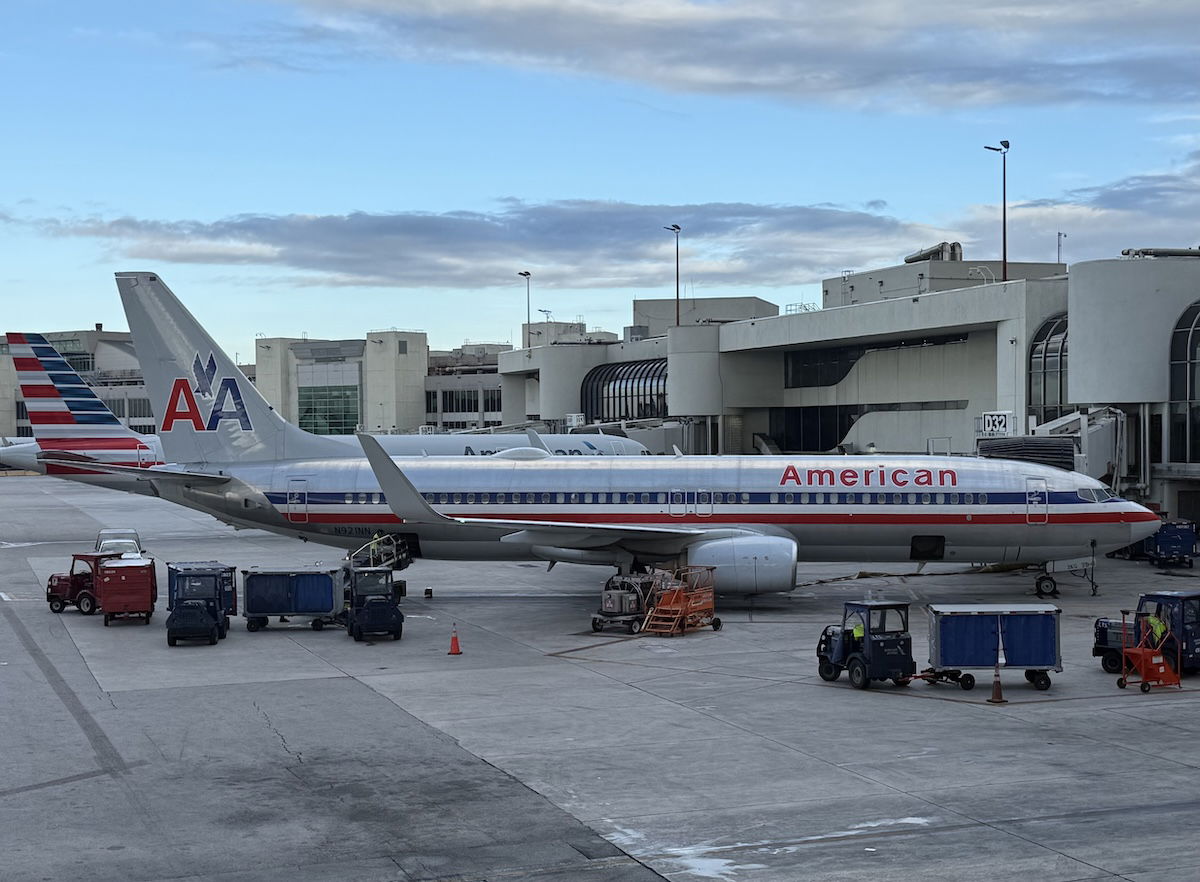
I think the second biggest issue is American’s hubs. They’re efficient hubs for domestic travel, which is the area where American excels, in terms of having by far the biggest network of the “big three” US carriers.
The problem is, places like Charlotte and Dallas and Philadelphia and Phoenix are great for domestic connectivity, but they’re not the few most important international markets in the country. This story notes how American Chief Commercial Officer Nat Pieper says the airline needs to win in jump-ball markets, like Chicago, Los Angeles, and Washington. That’s great, though I question how much upside there is:
- American can increasingly compete with United in Chicago, but it’ll almost certainly stay in the number two spot, and you want fortress hubs where you actually have more pricing power, rather than competing fiercely
- American has largely abandoned Los Angeles in terms of international flying, and it’s a market where Delta is now wanting to grow massively, so I don’t see that ending well for American
- American has great market share at Washington National, so that’s a market where the airline is doing well, but that only gets you so far, and I’m not sure there’s much upside there for American beyond what it’s doing now
But this is the issue for American’s international network. The most lucrative markets are those with strong origin & destination demand, since you have more pricing power. Growth out of places like Charlotte and Philadelphia can only get you so far, when competitors are growing out of markets like Newark and San Francisco.
Bottom line
We know that American wants to turn itself around and narrow the profitability gap it has with Delta and United. Of course that has been the goal for quite some time, and the strategy seems to be all about becoming more premium. That’s obvious, and frankly, easier said than done.
Yes, American is investing in its product, but will that meaningfully change results when competitors are doing the same, and arguably, at a faster pace? I still think the two biggest issues are culture and international network, and neither of those are particularly easy problems to solve.
A culture change requires a management change, while international network changes require a bold new strategy, not to mention, a bigger long haul fleet (which isn’t going to happen overnight).
What do you make of Isom’s vision for closing the profitability gap with Delta and United?